Peppermint
Serving: 2.00 TBS (7.6g, 5 cal)
Key Nutrients
About Peppermint
Health benefits
Gastrointestinal effects
Randomized controlled trials have repeatedly demonstrated that peppermint oil relieves symptoms of irritable bowel syndrome, including dyspepsia and colonic muscle spasms. Menthol, the primary monoterpene in peppermint, blocks calcium channels in smooth muscle cells of the intestinal wall, reducing contraction frequency. This smooth muscle relaxation decreases spasm and the associated discomfort.
A potential anti-cancer agent
Perillyl alcohol, a monoterpene found in peppermint oil, has inhibited the growth of pancreatic, mammary, and liver tumors in animal models. It also showed protective effects against cancer formation in colon, skin, and lung tissues in these studies. Human clinical trials have not yet confirmed these findings.
An anti-microbial oil
Esssential oil of peppermint also stops the growth of many different bacteria. These bacteria include Helicobacter pylori, Salmonella enteritidis, Escherichia coli O157:H7, and methicillin-resistant Staphylococcus aureus (MRSA). It has also be found to inhibit the growth of certain types of fungus as well.
Respiratory effects
Peppermint contains rosmarinic acid, which inhibits the production of pro-inflammatory leukotrienes and promotes the synthesis of prostacyclins (compounds that dilate bronchial passages). These mechanisms are relevant to asthma management. Peppermint extracts have also shown benefit for nasal symptoms of allergic rhinitis in preliminary studies.
Micronutrient content
Two tablespoons of fresh peppermint provide 0.09 mg of manganese (4% DV), 0.03 mg of copper (3% DV), and 2.42 mg of vitamin C (3% DV). Vitamin C is the primary water-soluble antioxidant in the body and some epidemiological studies have linked higher vitamin C intake to up to 40% lower colorectal cancer risk, though results vary across study populations.
Description
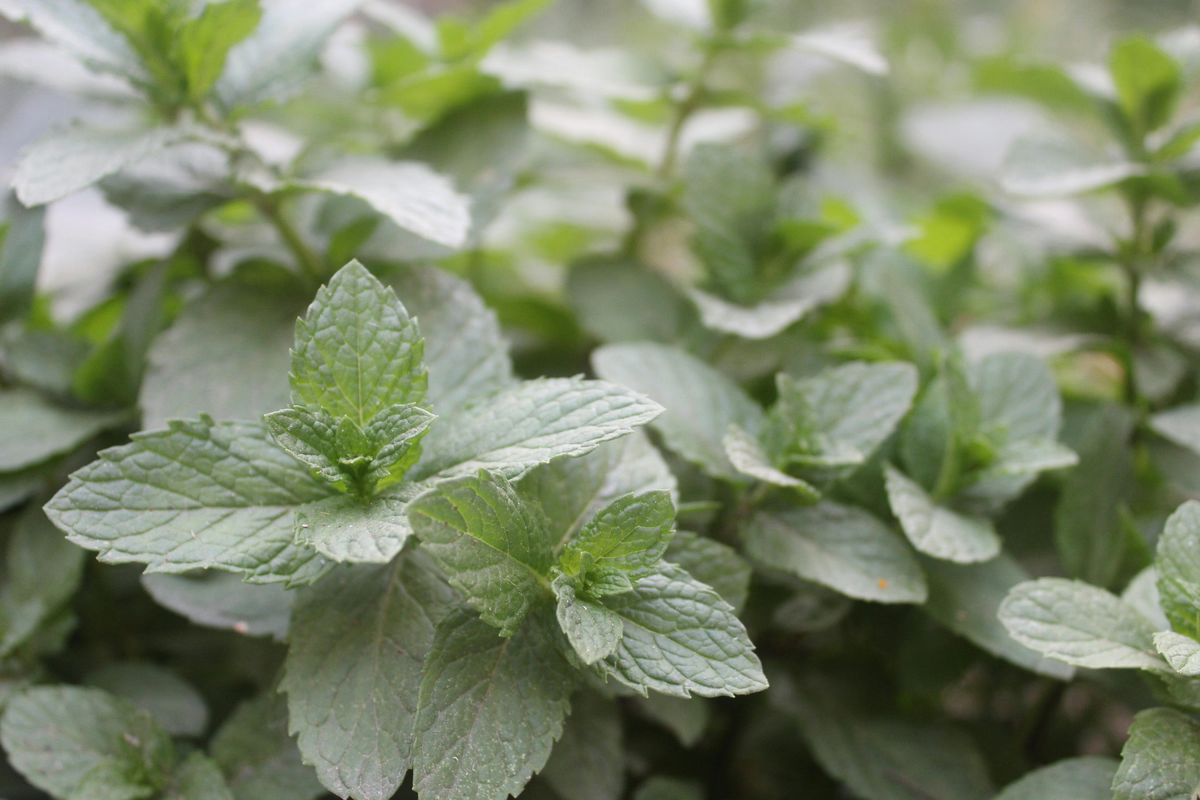
Mint is the glorious plant that gives the candy of the same name its cool burst of flavor. While there are about 25 different species of mints, peppermint is actually a natural hybrid cross between Mentha aquatica (water mint) and Mentha spicata (spearmint). Peppermint has greenish-purple lance-shaped leaves while the rounder leaves of spearmint are more of a grayish green color.
The taste of both peppermint and spearmint bear a flavor that can be described as a cross between pepper and chlorophyll, with peppermint being a bit stronger and spearmint being a little more cool and subtle. In addition to peppermint and spearmint, other plants in the Mentha genus include apple mint, orange mint, water mint, curly mint and Corsican mint.
History
Mint is an ancient herb used since antiquity for its culinary, medicinal and aromatic properties. The origins of mint are honored in a Greek myth that tells the tale that the plant was originally a nymph (Minthe), who was transformed into a plant by Persephone, who was jealous of the affections that her husband Pluto was showing to Minthe. While Pluto could not reverse the spell that his wife cast, he did impart Minthe with a sweet smell, so when she was walked upon in the garden, her aroma would be delightful to the senses.
Mint’s characteristic smell has made it one of the more popular perfuming herbs throughout history. Around the globe, from Europe to India to the Middle East, mint has been used a strewing herb to clear the air in both temples and homes. Mint has also come to symbolize hospitality in many cultures. In ancient Greece, mint leaves were rubbed on dining tables to welcome guests, while in the Middle East, the host still traditionally offers mint tea to guests upon their arrival.
Mint has played an important role in the American tradition. While the Native Americans were using mint even before the arrival of the European settlers, the early colonists brought this prized herb with them from the Old World since they had long honored it for its therapeutic properties, as well as for the delicious hot tea beverage made from its leaves.
How to select and store
Whenever possible, choose fresh mint over the dried form of the herb since it is superior in flavor. The leaves of fresh mint should look vibrant and be a rich green color. They should be free from dark spots or yellowing.
Dried mint is available at most supermarkets, though specialty spice shops typically carry fresher stock. Organically grown dried mint has not been irradiated.
To store fresh mint leaves, carefully wrap them in a damp paper towel and place inside of a loosely closed plastic bag. Store in the refrigerator, where it should keep fresh for several days. Dried mint should be kept in a tightly sealed glass container in a cool, dark and dry place, where it will keep fresh for about nine to twelve months.
How to enjoy
Serving ideas
- A cup of fresh mint tea can help to soothe your stomach and your nerves.
- Toss cubes of cooked eggplant with chopped mint leaves, plain yogurt, garlic and cayenne.
- For a quick and easy salad, combine fennel, onions, oranges and mint leaves.
- Give fruit salad a unique perk by adding some fresh mint leaves to it.
- Add chopped mint leaves to gazpacho or other soups that feature tomatoes as the freshness of the mint complements the sweet acidity of tomatoes very well.
For more recipe ideas, see Recipes.
Nutritional profile
Two TBS (7.6g) provides 5 calories. Smaller but measurable amounts of vitamin A (6.5% DV), manganese (4% DV), copper (3% DV), vitamin C (3% DV) round out the profile.
Individual concerns
Peppermint is not a commonly allergenic food and is not known to contain measurable amounts of oxalates or purines.
A santoku knife like the Zwilling Pro 7" Santoku Knife excels at fine mincing of herbs and aromatics — the hollow edge keeps things from sticking to the blade.
Recipes with Peppermint
Full Nutrient Profile
Related Articles
References
- Edris AE, Farrag ES. Antifungal activity of peppermint and sweet basil essential oils and their major aroma constituents on some plant pathogenic fungi from the vapor phase. Nahrung 2003 Apr; 47(2):117-21. 2003. https://doi.org/10.1002/food.200390021
- Ensminger AH, Ensminger, ME, Kondale JE, Robson JRK. Foods & Nutriton Encyclopedia. Pegus Press, Clovis, California. 1983.
- Ensminger AH, Esminger M. K. J. e. al. Food for Health: A Nutrition Encyclopedia. Clovis, California: Pegus Press; 1986. 1986. PMID:15210.
- Fortin, Francois, Editorial Director. The Visual Foods Encyclopedia. Macmillan, New York. 1996.
- Grieve M. A Modern Herbal. Dover Publications, New York. 1971.
- Wood, Rebecca. The Whole Foods Encyclopedia. New York, NY: Prentice-Hall Press; 1988. 1988. PMID:15220. https://doi.org/10.1002/food.19770210206