Oregano
Serving: 2.00 tsp (2g, 5 cal)
Key Nutrients
About Oregano
Health benefits
Antibacterial activity
The volatile oils in oregano include thymol and carvacrol, both of which inhibit the growth of bacteria including Pseudomonas aeruginosa and Staphylococcus aureus. In one study conducted in Mexico, oregano was compared to tinidazole, a prescription drug used against the amoeba Giardia lamblia. Oregano proved more effective against Giardia than the pharmaceutical.
Antioxidant capacity
Oregano contains thymol and rosmarinic acid, phytonutrients that function as antioxidants, preventing oxygen-based damage to cell structures. In laboratory comparisons, oregano demonstrated stronger antioxidant capacity than BHT (butylated hydroxytoluene) and BHA (butylated hydroxyanisole), two synthetic antioxidants added to processed foods. On a per-gram fresh weight basis, oregano showed 42 times more antioxidant activity than apples, 30 times more than potatoes, 12 times more than oranges, and 4 times more than blueberries.
Nutrient density
A two-teaspoon serving of dried oregano provides 12.43 mcg of vitamin K (14% DV). It also contains 0.74 mg of iron (4% DV), 31.94 mg of calcium (3% DV), and 0.85 g of dietary fiber. Fiber binds bile salts in the colon and promotes their excretion, which forces the liver to draw on cholesterol reserves to synthesize replacement bile acids.
Description
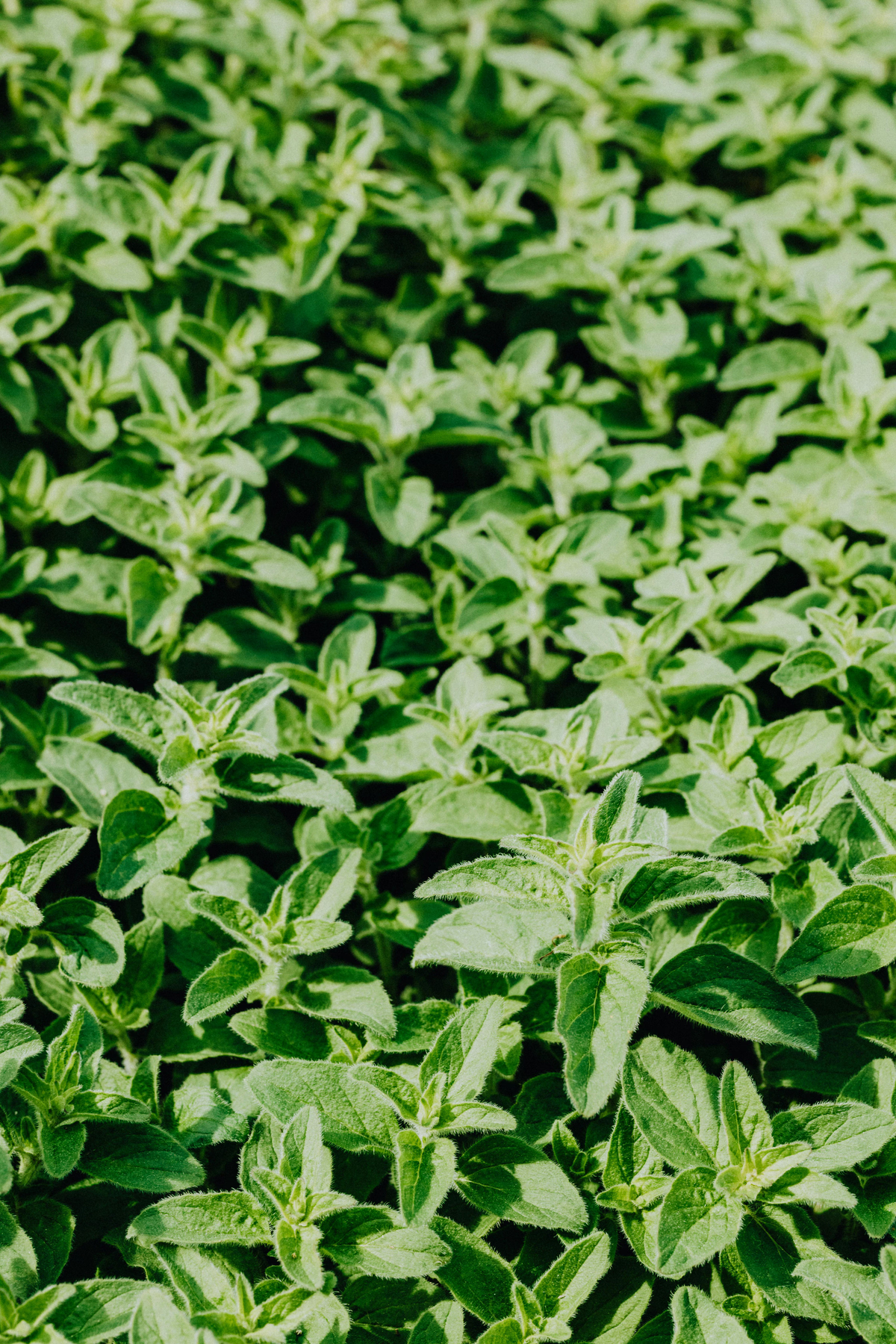
Beyond its association with pizza, oregano adds a warm, balsamic, and aromatic character to many Mediterranean dishes.
Oregano is known botanically as Origanum vulgare and is called wild marjoram in many parts of Europe since it is closely related to the herb that we know as sweet marjoram. Its name is derived from the Greek words oros (mountain) and ganos (joy) since not only was it a symbol of happiness, but it made the hillsides on which it grew look beautiful.
History
Oregano is native to northern Europe, although it grows throughout many regions of the world. It has been recognized for its aromatic properties since ancient times, with the Greeks and Romans holding oregano as a symbol of joy and happiness. In fact, it was a tradition for Greek and Roman brides and grooms to be crowned with a laurel of oregano.
Oregano has been cultivated in France since the Middle Ages and has come to be an important herb in Mediterranean cooking. Oregano was hardly known in the United States until the early 20th century when GIs returning from Italy brought word of this fragrant and delicious herb back to the United States.
How to select and store
Whenever possible, choose fresh oregano over the dried form of the herb since it is superior in flavor. The leaves of fresh oregano should look fresh and be a vibrant green in color, while the stems should be firm. They should be free from darks spots or yellowing.
Dried oregano is widely available in supermarkets, though specialty spice shops often carry higher-quality and fresher stock. When purchasing dried oregano, organically grown options reduce the likelihood of irradiation.
Fresh oregano should be stored in the refrigerator wrapped in a slightly damp paper towel. It may also be frozen, either whole or chopped, in airtight containers. Alternatively, you can freeze the oregano in ice cube trays covered with either water or stock that can be added when preparing soups or stews. Dried oregano should be kept in a tightly sealed glass container in a cool, dark and dry place where it will keep fresh for about six months.
Tips for preparing and cooking
Preparation
Fresh Oregano should be added toward the end of the cooking process since heat can easily cause a loss of its delicate flavor. It is best to add dried Oregano at the beginning of the cooking time.
How to enjoy
Serving ideas
- Next time you enjoy a slice of pizza, garnish it with some fresh oregano.
- Oregano goes great with healthy sautéed mushrooms and onions.
- Adding a few sprigs of fresh oregano to a container of olive oil will infuse the oil with the essence of the herb.
- Fresh oregano makes an aromatic addition to omelets and frittatas.
- Sprinkle some chopped oregano onto homemade garlic bread.
- Add oregano to salad dressings.
For more recipe ideas, see Recipes.
Nutritional profile
A two-teaspoon (2g) serving of oregano provides 14% DV of vitamin K, along with smaller amounts of manganese, iron, dietary fiber, and calcium.
Individual concerns
Oregano is not a commonly allergenic food and is not known to contain measurable amounts of oxalates or purines.
A santoku knife like the Zwilling Pro 7" Santoku Knife excels at fine mincing of herbs and aromatics — the hollow edge keeps things from sticking to the blade.
Recipes with Oregano
Full Nutrient Profile
References
- Akgul A, Kivanc M. Inhibitory effects of selected Turkish spices and oregano components on some foodborne fungi. Int J Food Microbiol 1988 May;6(3):263-8. 1988. PMID:12430.
- Ensminger AH, Ensminger, ME, Kondale JE, Robson JRK. Foods & Nutriton Encyclopedia. Pegus Press, Clovis, California. 1983.
- Ensminger AH, Esminger M. K. J. e. al. Food for Health: A Nutrition Encyclopedia. Clovis, California: Pegus Press; 1986. 1986. PMID:15210.
- Fortin, Francois, Editorial Director. The Visual Foods Encyclopedia. Macmillan, New York. 1996.
- Grieve M. A Modern Herbal. Dover Publications, New York. 1971.
- Lagouri V, Boskou D. Nutrient antioxidants in oregano. Int J Food Sci Nutr 1996 Nov;47(6):493-7. 1996. PMID:12400.
- Lambert RJ, Skandamis PN, Coote PJ, Nychas GJ. A study of the minimum inhibitory concentration and mode of action of oregano essential oil, thymol and carvacrol. J Appl Microbiol 2001 Sep;91(3):453-62. 2001. PMID:12450.
- Martinez-Tome M, Jimenez AM, Ruggieri S, et al. Antioxidant properties of Mediterranean spices compared with common food additives. J Food Prot 2001 Sep;64(9):1412-9. 2001. PMID:12440. https://doi.org/10.1016/0024-3205(76)90117-x
- Takacsova M, Pribela A, Faktorova M. Study of the antioxidative effects of thyme, sage, juniper and oregano. Nahrung 1995;39(3):241-3. 1995. PMID:12410.
- Wood, Rebecca. The Whole Foods Encyclopedia. New York, NY: Prentice-Hall Press; 1988. 1988. PMID:15220. https://doi.org/10.1002/food.19770210206
- Zheng W, Wang SY. Antioxidant activity and phenolic compounds in selected herbs. J Agric Food Chem 2002;49:5165-70. 2002. https://doi.org/10.1021/jf010697n