Cabbage
Serving: 1.00 cup (150g, 44 cal)
Key Nutrients
| Nutrient | Amount | DV% | Rating |
|---|---|---|---|
| vitamin K | 71.4 mcg | 79% | Excellent |
| vitamin C | 51.6 mg | 69% | Excellent |
| vitamin B6 | 0.34 mg | 20% | Excellent |
| manganese | 0.33 mg | 17% | Very Good |
| fiber | 3.9 g | 16% | Very Good |
| potassium | 255 mg | 5% | Very Good |
| vitamin B1 | 0.11 mg | 9% | Very Good |
| folate | 36 mcg | 9% | Very Good |
| copper | 0.03 mg | 3% | Very Good |
| choline | 32.1 mg | 8% | Good |
| phosphorus | 49.5 mg | 7% | Good |
| vitamin B2 | 0.09 mg | 7% | Good |
| magnesium | 25.5 mg | 6% | Good |
| calcium | 63 mg | 6% | Good |
| selenium | 0.45 mcg | 1% | Good |
| iron | 0.7 mg | 4% | Good |
| pantothenic acid | 0.23 mg | 5% | Good |
| protein | 2.27 g | 5% | Good |
| vitamin B3 | 0.57 mg | 4% | Good |
| molybdenum | 3.5 mcg | 4.7% | Good |
| tryptophan | 0.01 g | 3.1% | Good |
vitamin K
Excellentvitamin C
Excellentvitamin B6
Excellentmanganese
Very Goodfiber
Very Goodpotassium
Very Goodvitamin B1
Very Goodfolate
Very Goodcopper
Very Goodcholine
Goodphosphorus
Goodvitamin B2
Goodmagnesium
Goodcalcium
Goodselenium
Goodiron
Goodpantothenic acid
Goodprotein
Goodvitamin B3
Goodmolybdenum
Goodtryptophan
GoodAbout Cabbage
Health benefits
Cancer prevention tops all other areas of health research with regard to cabbage and its outstanding benefits. More than 475 studies have examined the role of this cruciferous vegetable in cancer prevention (and in some cases, cancer treatment). The uniqueness of cabbage in cancer prevention is due to the three different types of nutrient richness found in this widely enjoyed food. The three types are (1) antioxidant richness, (2) anti-inflammatory richness, and (3) richness in glucosinolates.
Antioxidant-related health benefits
Cabbage ranked in our WHF rating system as an excellent source of vitamin C and a very good source of manganese. But in terms of antioxidants in the newer, phytonutrient category, cabbage is impressive, even among cruciferous vegetables. Polyphenols rank at the top of the list for phytonutrient antioxidants in cabbage. In fact, one group of researchers has described polyphenols as the primary factor in cabbage’s overall antioxidant capacity. Even white cabbage (a very lightly-colored form of green cabbage and the most commonly eaten variety of cabbage in the U.S.) provides about 50 milligrams of polyphenols in a half-cup serving. Red cabbage is even more unique among the cruciferous vegetables in providing about 30 milligrams of the red pigment polyphenols called anthocyanins in each half cup. (These anthocyanins qualify not only as antioxidant nutrients, but as anti-inflammatory nutrients as well.) The antioxidant richness of cabbage is partly responsible for its cancer prevention benefits. Without sufficient intake of antioxidants, our oxygen metabolism can become compromised, and we can experience a metabolic problem called oxidative stress. Chronic oxidative stress,in and of itself,can be a risk factor for development of cancer.
Anti-inflammatory benefits
Without sufficient intake of anti-inflammatory nutrients, regulation of our inflammatory system can become compromised, and we can experience the problem of chronic inflammation. Especially when combined together with oxidative stress, chronic inflammation is a risk factor for development of cancer.
The anthocyanins found in red cabbage are well-documented anti-inflammatory compounds, and make red cabbage a standout anti-inflammatory food for this reason. However, all types of cabbage contain significant amounts of polyphenols that provide anti-inflammatory benefits.
Glucosinolates and cancer prevention
Given the roles of oxidative stress and chronic inflammation as risk factors for cancer, the antioxidant and anti-inflammatory richness of cabbage would provide anti-cancer health benefits without the addition of cabbage’s glucosinolates. But glucosinolates are cabbage’s trump card with regard to “anti-cancer” benefits. The glucosinolates found in cabbage can be converted into isothiocyanate compounds that are cancer preventive for a variety of different cancers, including bladder cancer, breast cancer, colon cancer, and prostate cancer. Different types of cabbage highlight different glucosinolates, as summarized in the chart below:
Glucosinolates in cabbage and their anti-cancer thiocyanates
Best Cabbage Source
Glucosinolate
Derived Isothiocyanate
Isothiocyanate Abbreviation
red cabbage
glucoraphanin
sulforaphane
SFN
savoy cabbage
glucobrassicin
indole-3-carbinol*
I3C
savoy and green cabbage
sinigrin
allyl-isothiocyanate
AITC
green cabbage
glucotropaeolin
benzyl-isothiocyanate
BITC
* Indole-3-carbinol (I3C) is not an isothiocyanate. It’s a benzopyrrole, and it is only formed when isothiocyanates made from glucobrassicin are further broken down into non-sulfur containing compounds.
The isothiocyanates (ITCs) made from cabbage’s glucosinolates act to protect us against cancer through a variety of different mechanisms. In some cases, they help regulate inflammation by altering the activity of messaging molecules within our body’s inflammatory system. In other cases, they improve our body’s detoxification system and leave our cells with a smaller toxic load. But the bottom line is decreased risk of cancer from consumption of cabbage and its glucosinolates. We’ve seen one study, from Poland, showing impressive reduction of breast cancer risk in women consuming large amounts of cabbage. (In this particular study, this reduction in risk was associated with consumption of at least 4 cabbage servings per week, in comparison with the once-per-week serving consumed by women with higher breast cancer risk.)
Digestive tract support
Long-established in health research is the role of cabbage juice in helping heal stomach ulcers (called peptic ulcers), but more recent studies on cabbage have looked at the overall health benefits of this food for the stomach and digestive tract as a whole. Present-day studies make it clear that cabbage contains a variety of nutrients of potential benefit to our stomach and intestinal linings. These nutrients include glucosinolates (and the anti-inflammatory isothiocyanates or ITCs made from them), antioxidant polyphenols, and the amino acid-like substance called glutamine. In the case of ITCs, digestive tract benefits include proper regulation of bacterial populations of Helicobacter pylori inside the stomach. These bacteria are normal stomach inhabitants, but their populations can become too large and they can latch onto the stomach lining in an undesirable way. The ITCs made from cabbage’s glucosinolates can lower the risk of these unwanted stomach events.
Cardiovascular support
You can count on cabbage to provide your cardiovascular system with valuable support in the form of cholesterol reduction. Researchers understand exactly how this process takes place. Your liver uses cholesterol as a basic building block to produce bile acids. Bile acids are specialized molecules that aid in the digestion and absorption of fat through a process called emulsification. These molecules are typically stored in fluid form in your gall bladder, and when you eat a fat-containing meal, they get released into the intestine where they help ready the fat for interaction with enzymes and eventual absorption up into the body. When you eat cabbage, fiber-related nutrients in this cruciferous vegetable bind together with some of the bile acids in the intestine in such a way that they simply stay inside the intestine and pass out of your body in a bowel movement, rather than getting absorbed along with the fat they have emulsified. When this happens, your liver needs to replace the lost bile acids by drawing upon your existing supply of cholesterol, and as a result, your cholesterol level drops down. Cabbage provides you with this cholesterol-lowering benefit whether it is raw or cooked. However, a recent study has shown that the cholesterol-lowering ability of raw cabbage improves significantly when it is steamed. In fact, when the cholesterol-lowering ability of steamed cabbage was compared with the cholesterol-lowering ability of the prescription drug cholestyramine (a medication that is taken for the purpose of lowering cholesterol), cabbage bound 17% as many bile acids (based on a standard of comparison involving total dietary fiber).
Description
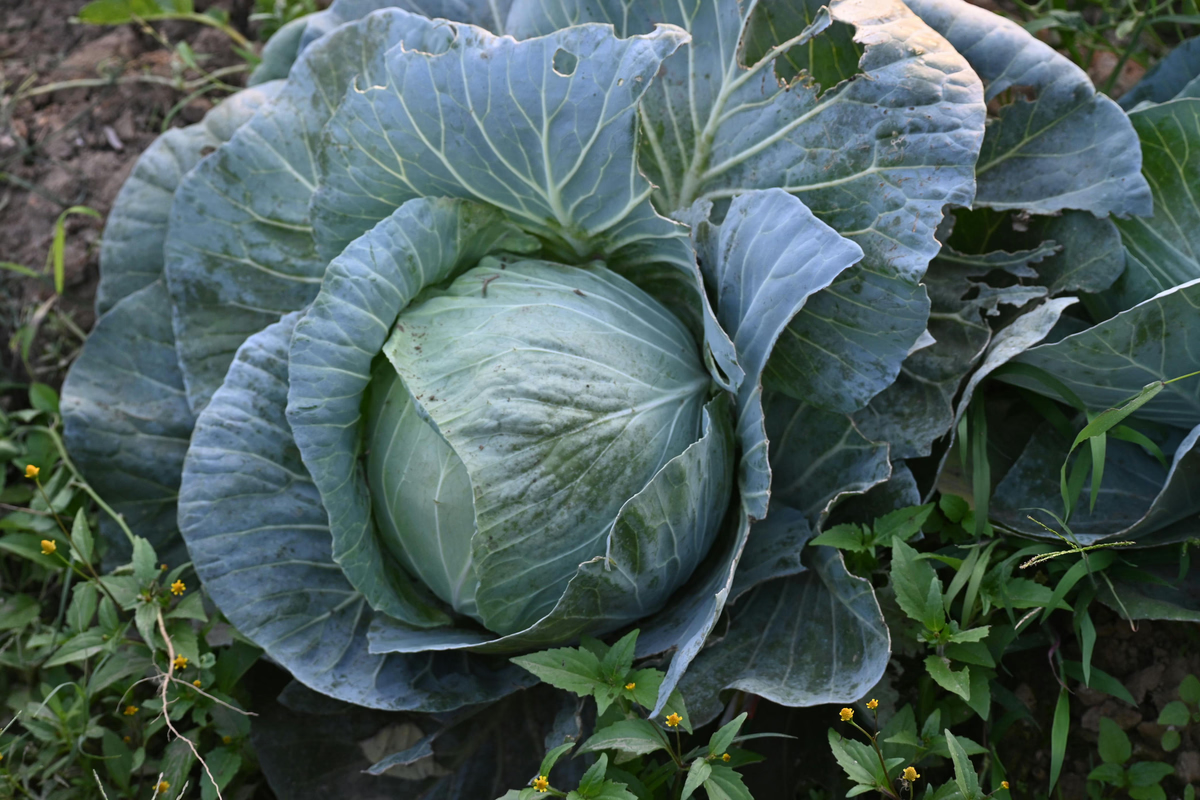
Cabbage has a round shape and is composed of superimposed leaf layers. It is a member of the food family traditionally known as cruciferous vegetables and is related to kale, broccoli, collards and Brussels sprouts. All cruciferous vegetables provide integrated nourishment across a wide variety of nutritional categories and provide broad support across a wide variety of body systems as well. For more on cruciferous vegetables see:
- Eating Healthy with Cruciferous Vegetables
- Feeling Great with Cruciferous Vegetables
The word “brassica” translates in Latin as “cabbage,” and this word is being used more and more by researchers to refer to the entire group of cruciferous vegetables. You’ll find many plant scientists now using the Latin word Brassicaceae and the phrase ” brassica vegetables” instead of Latin word Cruciferae and the traditional phrase “cruciferous vegetables” when referring to cabbage, kale, broccoli, collards and other foods in this vegetable subgroup.
Because cabbage’s inner leaves are protected from the sunlight by the surrounding leaves, they are oftentimes lighter in color. There are three major types of cabbage: green, red, and Savoy. The color of green cabbage ranges from pale to dark green. Both green and red cabbage have smooth-textured leaves. Red cabbage has leaves that are either crimson or purple with white veins running through it. The leaves of Savoy cabbage are more ruffled and yellowish-green in color. Red and green cabbage have a more defined taste and crunchy texture as compared to Savoy cabbage’s more delicate nature. Bok choy as well as Chinese (Napa) cabbage are other varieties of cabbage available. Bok choy has a mild flavor and a higher concentration of vitamin A. Chinese cabbage, with its pale green ruffled leaves, is great to use in salads. Red cabbage contains additional health benefits not found in green cabbage.
Sturdy, abundant, and inexpensive, cabbage is a longstanding dietary staple throughout the world and is so widely cultivated and stores so well that it is available throughout the year. However, it is at its best during the late fall and winter months when it is in season.
History
Cabbage has a long history of use both as a food and a medicine. It was developed from wild cabbage, a vegetable that was closer in appearance to collards and kale since it was composed of leaves that did not form a head.
It is thought that wild cabbage was brought to Europe around 600 B.C. by groups of Celtic wanderers. It was grown in Ancient Greek and Roman civilizations that held it in high regard as a general panacea capable of treating a host of health conditions.
While it’s unclear when and where the headed cabbage that we know today was developed, cultivation of cabbage spread across northern Europe into Germany, Poland and Russia, where it became a very popular vegetable in local food cultures. The Italians are credited with developing the Savoy cabbage. Russia, Poland, China and Japan are a few of the leading producers of cabbage today.
Sauerkraut, a dish made from fermented cabbage, has a colorful legacy. Dutch sailors consumed it during extended exploration voyages to prevent scurvy. Early German settlers introduced cabbage and the traditional sauerkraut recipe were introduced into the United States. As a result of this affiliation, German soldiers, and people of German descent were often referred to as “krauts.”
How to select and store
Choose cabbage heads that are firm and dense with shiny, crisp, colorful leaves free of cracks, bruises, and blemishes. Severe damage to the outer leaves is suggestive of worm damage or decay that may reside in the inner core as well.
There should be only a few outer loose leaves attached to the stem. If not, it may be an indication of undesirable texture and taste. Avoid buying precut cabbage, either halved or shredded, since once cabbage is cut, it begins to lose its valuable vitamin C content.
Keeping cabbage cold will keep it fresh and help it retain its vitamin C content. Put the whole head in a plastic bag in the crisper of your refrigerator. Red and green cabbage will keep this way for about 2 weeks while Savoy cabbage will keep for about 1 week.
If you need to store a partial head of cabbage, cover it tightly with plastic wrap and refrigerate. Since the vitamin C content of cabbage starts to quickly degrade once it has been cut, you should use the remainder within a couple of days.
Tips for preparing and cooking
Preparation
Even though the inside of cabbage is usually clean since the outer leaves protect it, you still may want to clean it. Remove the thick fibrous outer leaves and cut the cabbage into pieces and then wash under running water.
If you notice any signs of worms or insects, which sometimes appears in cabbage, soak the head in salt water or vinegar water for 15-20 minutes first. To preserve its vitamin C content, cut and wash the cabbage right before cooking or eating it. Since phytonutrients in the cabbage react with carbon steel and turn the leaves black, use a stainless steel knife to cut.
To cut cabbage into smaller pieces, first quarter it and remove the core. Cabbage can be cut into slices of varying thickness, grated by hand or shredded in a food processor.
Proper cabbage preparation and cooking methods can be essential when it comes to getting the most benefits from cabbage. In one study that compared steaming to microwaving of raw cabbage, researchers found that it took 7 minutes of steaming to result in the same amount of enzyme (myrosinase) destruction that occurred with only 2 minutes of microwaving. In other words, short steaming was much better than microwaving for preserving some myrosinase activity in the cabbage. Since we need myrosinase activity to convert the glucosinolates in cabbage to cancer-preventive isothiocyanates (ITCs), preservation of as much myrosinase activity as possible when cooking cabbage seems worthwhile. Researchers have some proof that light steaming actually works because they have found higher concentrations of one particular isothiocyanate (AITC, or allyl-isothiocyanate) in lightly steamed cabbage. AITC has the ability to help lower risk of certain cancers (including bladder, breast, colon and prostate cancer). This recent research finding underscores the value of light steaming as a way to preserve anti-cancer benefits when cooking cabbage.
It’s worth adding here that a little bit of bitterness in the taste of cabbage is not necessarily a bad thing when it comes to your health. Although the commercial food industry sometimes tries to remove bitter-tasting constituents from cruciferous vegetables through hybridization of different cabbage varieties, some of the bitter-tasting constituents,including sinigrin, one of the glucosinolates especially plentiful in cabbage,is the source of the anti-cancer substance AITC discussed in the previous paragraph. Rather than attempting to completely eliminate the natural bitterness of cabbage, we would be much better off from a health standpoint weaving cabbage into a recipe that included differently flavored foods in such a way that the cabbage was allowed to retain a little of its natural and noticeable bitterness but within a blended-flavor context of a delicious dish! For example, our Gingered Cabbage provides you a wonderful sweet and sour flavor.
Finally, it’s important to remember that we can allow myrosinase enzymes in cabbage to do their natural work by slicing, shredding, or chopping raw cabbage and letting it sit for 5-10 minutes before cooking. Once the cells in cabbage have been broken apart through slicing, shredding, or chopping, the myrosinase enzymes in those cells can become active in converting the glucosinolates in cabbage into isothiocyanates (ITCs).
Want to learn more about how cutting, slicing, and chopping may affect fresh vegetables like cabbage? See our Q+A on this subject here.
The healthiest way of cooking cabbage
From all of the cooking methods we tried when cooking cabbage, our favorite is Healthy Sauté. We think that it provides the greatest flavor and is also a method that allows for concentrated nutrient retention.
To Healthy Sauté cabbage, heat 5 TBS of broth (vegetable or chicken) or water in a stainless steel skillet. Once bubbles begin to form add shredded cabbage, cover, and Healthy Sauté for 5 minutes. Turn off the heat and let sit for 2 more minutes before transferring to a bowl and tossing with Mediterranean Dressing. (See our 5-Minute Healthy Sautéed Red Cabbage recipe for details on how to prepare this dish.) Ginger is a great addition to your Healthy Sautéed cabbage; you can also add rice vinegar and sesame seeds.
How to enjoy
Serving ideas
- Braise red cabbage with a chopped apple and red wine. This is a child-friendly dish since the alcohol (but not the flavor or the flavonoids) will evaporate.
- Combine shredded red and green cabbage with fresh lemon juice, olive oil, and seasonings such as turmeric, cumin, coriander, and black pepper to make coleslaw with an Indian twist.
Some WHF recipes that feature cabbage:
- Asian Chicken Salad
- Chinese Chicken Cabbage Salad
- Spicy Cabbage Soup
- Poached Fish with Napa Cabbage
- Sesame Braised Chicken & Cabbage
- Sweet N’ Sour Cod with Cabbage and Broccoli
- Vegetarian Stir-Fry
- Napa Cabbage Salad
- 5-Minute Healthy Sautéed Red Cabbage
- Gingered Cabbage
Individual concerns
Cabbage is sometimes referred to as a “goitrogenic” food. Yet, contrary to popular belief, according to the latest studies, foods themselves,cabbage included,are not “goitrogenic” in the sense of causing goiter whenever they are consumed, or even when they are consumed in excess. In fact, most foods that are commonly called “goitrogenic”,such as the cruciferous vegetables (including cabbage, broccoli, kale, and cauliflower) and soyfoods,do not interfere with thyroid function in healthy persons even when they are consumed on a daily basis. Nor is it scientifically correct to say that foods “contain goitrogens,” at least not if you are thinking about goitrogens as a category of substances like proteins, carbohydrates, or vitamins. With respect to the health of our thyroid gland, all that can be contained in a food are nutrients that provide us with a variety of health benefits but which, under certain circumstances, can also interfere with thyroid function. The term “goitrogenic food” makes it sound as if something is wrong with the food, but that is simply not the case. What causes problems for certain individuals is not the food itself but the mismatched nature of certain substances within the food to their unique health circumstances. For more, see an An Up-to-Date Look at Goitrogenic Substances in Food.
Nutritional profile
One cup (150g) at 44 calories provides vitamin K (79% DV), vitamin C (69% DV), vitamin B6 (20% DV), manganese (17% DV), fiber (16% DV), potassium (11% DV). Additional nutrients include vitamin B1 (9% DV), folate (9% DV), copper (9% DV), choline (8% DV), phosphorus (7% DV), vitamin B2 (7% DV), magnesium (6% DV), calcium (6% DV), among others.
Cabbage and its cancer-protective phytonutrients
As described earlier in this food profile, cabbage is also a unique source of several types of phytonutrients. Its overall antioxidant activity is most likely due to its unusual polyphenol content. With red cabbage, these polyphenols include antioxidant and anti-inflammatory compounds called anthocyanins. Cabbage is also unique for it rich supply of glucosinolates. These phytonutrients can be converted by the body into isothiocyanates that have special detoxification and anti-cancer properties.
For an in-depth nutritional profile click here: Cabbage.
What’s new and beneficial about cabbage
- Did you know that cabbage was one of two vegetable types (the other type was root vegetables) found to be a mainstay for prevention of type 2 diabetes in a recent study of over 57,000 adults in the country of Denmark? In this very large-scale study, adults who closely followed the Healthy Nordik Food Index were found to have the lowest incidence of type 2 diabetes. Importantly, this key health benefit was linked to six food intake categories: (1) fish, (2) rye bread, (3) oatmeal, (4) apples and pears, (5) root vegetables, and (6) cabbage!
- Researchers have now identified nearly 20 different flavonoids and 15 different phenols in cabbage, all of which have demonstrated antioxidant activity. This impressive list of antioxidant phytonutrients in cabbage is one key reason why an increasing number of studies link cabbage intake to decreased risk of several cardiovascular diseases. You can read more about these individual antioxidants in our Health Benefits section.
- In terms of price per edible cup, a report by the Economic Research Service at the U.S. Department of Agriculture (USDA) has shown cabbage to be the second most economical cooked vegetable in terms of price per edible cup. Only potatoes came out slightly less expensive. The relatively low economic cost of cabbage in comparison with most other vegetables makes this cruciferous vegetable a nutritional bargain, especially considering the 3 excellent, 6 very good, and 11 good rankings that it achieves in our WHF rating system.
- There are literally hundreds of varieties of cabbage grown worldwide. But of special interest in recent research studies have been cabbage varieties that fall into the red-purple category. It is the anthocyanin antioxidants (and in particular, a subcategory of anthocyanins called cyanidins) that have been the focus of these research studies. Impressively, the anthocyanins in red cabbage are a major factor in the ability of this cruciferous vegetable to provide cardiovascular protection, including protection of red blood cells. Blood levels of beta-carotene, lutein, and total blood antioxidant capacity have been found to improve along with red cabbage intake, while oxidized LDL has been found to decrease. (This reduction in oxidized LDL is a good thing, since LDL,an abbreviation which stands for low-density lipoprotein,becomes a risk factor for blood vessel problems if excessively present in its oxidized form.
- Cabbage turns out to be an especially good source of sinigrin. Sinigrin is one of cabbage’s sulfur-containing glucosinolates that has received special attention in cancer prevention research. The sinigrin in cabbage can be also converted into allyl-isothiocyanate, or AITC. This isothiocyanate compound has shown unique cancer preventive properties with respect to bladder cancer, colon cancer, and prostate cancer. It’s also worth noting here that a second glucosinolate found in cabbage,glucobrassicin,can be converted into two cancer-protective compounds. These two compounds are indole-3-carbinol (or I3C, an isothiocyanate) and diindolylmethane (or DIM). DIM is an interesting sulfur-containing compound that can be produced in the stomach from I3C if the stomach juices are sufficiently acidic. Like AITC and I3C, DIM has been shown to have cancer-preventive properties for the specific cancer types listed above.
Intake recommendations
A minimum of 3/4 cup of cruciferous vegetables per day (about 5 cups per week) is a reasonable target; 1-1/2 cups daily is more optimal. Slicing cabbage into 1/8-inch slices and letting it sit for 5 minutes before cooking allows myrosinase to convert glucosinolates into bioactive isothiocyanates. Sauteing rather than boiling avoids waterlogging and excessive nutrient leaching.
Napa cabbage has a milder flavor and contains the highest folate concentration among common cabbage varieties.
Red cabbage
While green cabbage is the most commonly eaten variety of cabbage, consider trying red cabbage because of its added nutritional benefits and its robust hearty flavor. The rich red color of red cabbage reflects its concentration of anthocyanin polyphenols, which bring along with them unique antioxidant and anti-inflammatory properties.
Cabbage, red, cooked
1.00 cup
(150.00 grams)
Calories: 44
GI: very low
NutrientDRI/DV
vitamin K79%
vitamin C69%
vitamin B620%
manganese14%
fiber14%
copper9%
vitamin B19%
folate9%
potassium8%
choline8%
phosphorus7%
vitamin B27%
selenium6%
magnesium6%
iron6%
calcium6%
pantothenic acid5%
protein5%
vitamin B34%
A quality salad spinner like the OXO Good Grips Salad Spinner removes excess water quickly, which helps leafy greens cook evenly and keeps salads crisp.
Recipes with Cabbage
- Chinese Chicken Cabbage Salad
- 3-Minute "Healthy Sautéed" Green Peas
- Gingered Cabbage
- 5-Minute Healthy Sautéed Red Cabbage
- Asian Chicken Salad
- Spicy Cabbage Soup
- Poached Fish with Napa Cabbage
- Sesame Braised Chicken & Cabbage
- Sweet N' Sour Cod with Cabbage and Broccoli
- Vegetarian Healthy Sauté
- Napa Cabbage Salad
- 3-Minute "Healthy Sautéed" Asparagus
- Asian Sautéed Cauliflower
- 4-Minute Broccoli with Feta Cheese and Kalamata Olives
- 5-Minute "Quick Steamed" Brussels Sprouts
- Rosemary "Quick Broiled" Lamb
Full Nutrient Profile
Related Articles
- Are sprouts good for me?
- Can I rely on my taste buds to tell me what my body needs?
- Can Preparation Methods Impact the Benefits of Cruciferous Vegetables?
- Can salads be a good source of calcium?
- Can salads be a good source of nutrients?
- Can you tell me more about chlorophyll, including what foods it can be found in and the effect that cooking has upon it?
- Do I need to eat dairy products in order to prevent osteoporosis?
- Eating Healthy with Cruciferous Vegetables
- Feeling Great with Cruciferous Vegetables
- High-Temperature Cooking & The World's Healthiest Foods
- How do cooking temperatures affect vegetable nutrients?
- How do pickles compare to raw cucumbers in terms of nutrition?
- How Does Cutting, Slicing, and Chopping Affect Fresh Vegetables?
- How to Help Avoid the Swine Flu and Seasonal Flu by Strengthening Your Immune System with the World's Healthiest Foods
- How to Store Cabbage to Preserve Quality
- I've heard a lot about eating a "colorful diet." Should I pick fruits and vegetables based on color to help me get more benefits from these foods?
- Organic foods higher in vitamins, minerals, phytonutrients, lower in nitrates
- Should I Include Meatless Meals In My Diet?
- Veggie Advisor: How do our vegetable recommendations at WHFoods compare with common public health recommendations?
- Veggie Advisor: What would you recommend for someone who has trouble getting excited about vegetables?
- Veggie Advisor: Why are Vegetables So Indispensable for Healthy Eating?
- What are goitrogens and in which foods are they found?
- What are the benefits of the sulfur compounds found in cruciferous vegetables?
- What Do You Think About Microwave Cooking?
- What is meant by the term "goitrogen" and what is the connection between goitrogens, food, and health?
- What is the best way to eat healthy during winter?
- What Nutrients Are Most Likely to be Deficient in a Vegetarian Diet?
- Which foods contain chlorophyll, and in what amount?
Related FAQs
References
- Ambrosone CB, Tang L. Cruciferous vegetable intake and cancer prevention: role of nutrigenetics. Cancer Prev Res (Phila Pa). 2009 Apr;2(4):298-300. 2009. https://doi.org/10.1158/1940-6207.capr-09-0037
- Bhattacharya A, Tang L, Li Y, et al. Inhibition of bladder cancer development by allyl isothiocyanate. Carcinogenesis. 2010 Feb;31(2):281-6. 2010. https://doi.org/10.1093/carcin/bgp303
- Higdon JV, Delage B, Williams DE, et al. Cruciferous Vegetables and Human Cancer Risk: Epidemiologic Evidence and Mechanistic Basis. Pharmacol Res. 2007 March; 55(3): 224-236. 2007. https://doi.org/10.1016/j.phrs.2007.01.009
- Hu R, Khor TO, Shen G, Jeong WS, Hebbar V, Chen C, Xu C, Reddy B, Chada K, Kong AN. Cancer chemoprevention of intestinal polyposis in ApcMin/+ mice by sulforaphane, a natural product derived from cruciferous vegetable. Carcinogenesis. 2006 May 4; [Epub ahead of print. 2006. PMID:16675473. https://doi.org/10.1093/carcin/bgl049
- Kahlon TS, Chiu MC, Chapman MH. Steam cooking significantly improves in vitro bile acid binding of collard greens, kale, mustard greens, broccoli, green bell pepper, and cabbage. 2008 Jun;28(6):351-7. 2008. https://doi.org/10.1016/j.nutres.2008.03.007
- Kurilich AC, Tsau GJ, Brown A, et al. Carotene, tocopherol, and ascorbate contents in subspecies of Brassica oleracea. J Agric Food Chem 1999 Apr;47(4):1576-81. 1999. PMID:13300. https://doi.org/10.1080/00275514.1976.12020011
- Kushad MM, Brown AF, Kurilich AC, et al. Variation of glucosinolates in vegetable crops of Brassica oleracea. J Agric Food Chem 1999 Apr;47(4):1541-8. 1999. PMID:13320.
- Kusznierewicz, B, Bartoszek A., Wolska, L et al. Partial characterization of white cabbages (Brassica oleracea var. capitata f. alba) from different regions by glucosinolates, bioactive compounds, total antioxidant activities, and proteins. LWT Food Science and Technology 2008, 41, 1-9. 2008. https://doi.org/10.1016/j.lwt.2007.02.007
- Miron A, Hancianu M, Aprotosoaie AC et al. [Contributions to chemical study of the raw polysaccharide isolated from the fresh pressed juice of white cabbage leaves]. Rev Med Chir Soc Med Nat Iasi. 2006 Oct-Dec;110(4):1020-6. 2006.
- Prawan A, Saw CL, Khor TO et al. Anti-NF-kappaB and anti-inflammatory activities of synthetic isothiocyanates: effect of chemical structures and cellular signaling. Chem Biol Interact. 2009 May 15;179(2-3):202-11. 2009. https://doi.org/10.1159/000485089
- Rungapamestry V, Duncan AJ, Fuller Z et al. Effect of cooking brassica vegetables on the subsequent hydrolysis and metabolic fate of glucosinolates. Proc Nutr Soc. 2007 Feb;66(1):69-81. 2007. https://doi.org/10.1017/s0029665107005319
- Silberstein JL, Parsons JK. Evidence-based principles of bladder cancer and diet. Urology. 2010 Feb;75(2):340-6. 2010. https://doi.org/10.1016/j.urology.2009.07.1260
- Steinbrecher A, Linseisen J. Dietary Intake of Individual Glucosinolates in Participants of the EPIC-Heidelberg Cohort Study. Ann Nutr Metab 2009;54:87-96. 2009. https://doi.org/10.1159/000209266
- Tang L, Zirpoli GR, Guru K, et al. Consumption of Raw Cruciferous Vegetables is Inversely Associated with Bladder Cancer Risk. 2007 Apr 15;67(8):3569-73. 2007. https://doi.org/10.1158/1055-9965.epi-07-2502
- Tang L, Zirpoli GR, Jayaprakash V, et al. Cruciferous vegetable intake is inversely associated with lung cancer risk among smokers: a case-control study. BMC Cancer 2010, 10:162. 2010. https://doi.org/10.1186/1471-2407-10-162
- Vidrih R, Filip S, Hribar J. Content of higher fatty acids in green vegetables. Czech Journal of Food Sciences 2009, 27 Special Issue: S125,S129. 2009. https://doi.org/10.17221/621-cjfs
- Voorrips LE, Goldbohm RA, et al. Vegetable and fruit consumption and risks of colon and rectal cancer in a prospective cohort study: The Netherlands Cohort Study on Diet and Cancer. Am J Epidemiol. 2000 Dec 1;152(11):1081-92. 2000. PMID:11117618. https://doi.org/10.1093/aje/152.11.1081
- Zhao H, Lin J, Grossman HB, Hernandez LM, Dinney CP, Wu X. Dietary isothiocyanates, GSTM1, GSTT1, NAT2 polymorphisms and bladder cancer risk. Int J Cancer. 2007 May 15;120(10):2208-13. 2007. PMID:17290402. https://doi.org/10.1002/ijc.22549
- Bacchetti T, Tullii D, Masciangelo S, et al. Effect of black and red cabbage on plasma carotenoid levels, lipid profile and oxidized low density lipoprotein. Journal of Functional Foods, Volume 8, May 2014, pages 128-137. https://doi.org/10.1016/j.jff.2014.02.020
- Dekker M, Dekkers E, Jasper A, et al. Predictive modelling of vegetable firmness after thermal pre-treatments and steaming. Innovative Food Science & Emerging Technologies, Volume 25, October 2014, pages 14-18. https://doi.org/10.1016/j.ifset.2013.10.015
- Drewnowski A. New metrics of affordable nutrition: which vegetables provide most nutrients for least cost? J Acad Nutr Diet. 2013 Sep;113(9):1182-7. https://doi.org/10.1093/nutrit/nuv027
- Duchnowicz P, Bors M, Podsadek A, et al. Effect of polyphenols extracts from Brassica vegetables on erythrocyte membranes (in vitro study). Environ Toxicol Pharmacol. 2012 Nov;34(3):783-90. https://doi.org/10.1016/j.etap.2012.09.008
- Hounsome N, Hounsome B, Tomos D, et al. Changes in antioxidant compounds in white cabbage during winter storage. Postharvest Biology and Technology, Volume 52, Issue 2, May 2009, pages 173-179. https://doi.org/10.1016/j.postharvbio.2008.11.004
- Lacoppidan SA, Kyro C, Loft S, et al. Adherence to a Healthy Nordic Food Index Is Associated with a Lower Risk of Type-2 Diabetes--The Danish Diet, Cancer and Health Cohort Study. Nutrients. 2015 Oct 21;7(10):8633-44. https://doi.org/10.3390/nu7105418
- Martinez-Villaluenga C, Penas E, Sidro B, et al. White cabbage fermentation improves ascorbigen content, antioxidant and nitric oxide production inhibitory activity in LPS-induced macrophages. LWT - Food Science and Technology, Volume 46, Issue 1, April 2012, pages 77-83. https://doi.org/10.1016/j.lwt.2011.10.023
- Nugrahedi PY, Hantoro I, Verkerk R, et al. Practices and health perception of preparation of Brassica vegetables: translating survey data to technological and nutritional implications. Int J Food Sci Nutr. 2015;66(6):633-41. https://doi.org/10.3109/09637486.2015.1064868
- Pagliaro B, Santolamazza C, Simonelli F, et al. Phytochemical Compounds and Protection from Cardiovascular Diseases: A State of the Art. Biomed Res Int. 2015;2015:918069. https://doi.org/10.1155/2015/918069
- Singh BK, Sharma SR, and Singh B. Antioxidant enzymes in cabbage: Variability and inheritance of superoxide dismutase, peroxidase and catalase. Scientia Horticulturae, Volume 124, Issue 1, 26 February 2010, pages 9-13. https://doi.org/10.1016/j.scienta.2009.12.011
- Stewart H, Hyman J, Buzby JC, et al. How much do fruits and vegetables cost? U.S. Department of Agriculture (USDA) Economic Research Service (ERS), Economic Information Bulletin 71, February 2011. Washington, D.C.
- Tiwari U, Sheehy E, Rai D, Gaffney M, et al. Quantitative human exposure model to assess the level of glucosinolates upon thermal processing of cruciferous vegetables. LWT - Food Science and Technology, Volume 63, Issue 1, September 2015, pages 253-261. https://doi.org/10.1016/j.lwt.2015.03.088
- Zielinska M, Lewandowska U, Podsedek A, et al. Orally available extract from Brassica oleracea var. capitata rubra attenuates experimental colitis in mouse models of inflammatory bowel diseases. Journal of Functional Foods, Volume 17, August 2015, pages 587-599. https://doi.org/10.1016/j.jff.2015.05.046
- Vidrih R, Filip S, Hribar J. Content of higher fatty acids in green vegetables. Czech Journal of Food Sciences 2009, 27 Special Issue: S125–S129. 2009. https://doi.org/10.17221/621-cjfs
- Vidrih R, Filip S, Hribar J. Content of higher fatty acids in green vegetables. Czech Journal of Food Sciences 2009, 27 Special Issue: S125-S129. 2009. https://doi.org/10.17221/621-cjfs